
Import Tax from China to the USA
Import Tax from China to the USA
Many entrepreneurs feel apprehensive about the Import Tax when bringing goods from China to the US. However, the process of calculating and reducing it is straightforward. Many importers encounter challenges when dealing with products from China. The key lies in obtaining accurate information.
Shipping from China is my area of expertise. I've compiled valuable advice on navigating import taxes between China and the US. Begin your import ventures with confidence, free from concerns about tax-related consequences.
Continue reading to effectively REDUCE your shipping costs!
Table of Contents Brief
What Is Customs Duty?
Which Type Of Import Tax Do You Need To Pay For Imports From China To US?
How Much Customs Duty Will You Pay?
How Do You Calculate U.S. Import Duty From China?
How To Pay Import Tax?
Customs Clearance Procedures In The U.S.
Import Precautions (Goods From China):
AMS IC And VSSL ARRIVAL:
Customs Fines:
Free Storage Period For Docks:
Demurrage Fees:
The Operation Process Of The U.S. Agent Import Goods:
How To Avoid Or Reduce The Import Tax From China?
3 Ways To Reduce Import Duty (Attention!):
How Chiyuan Help You Import From China:
Conclusion
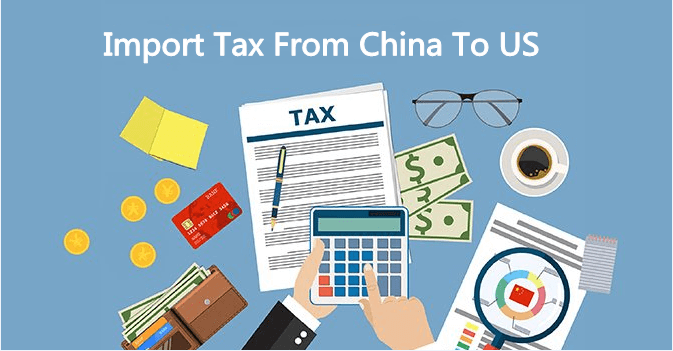
Now, the question arises: how much tax and duty are applicable to your products? This process isn't overly complicated. In fact, you can perform the calculation yourself if you're aware of your tariff number.It's important to note that this calculation provides a rough estimate, not the precise amount. Therefore, it's imperative to determine your tariff number before proceeding with any imports.
Within this article, you'll gain an understanding of the taxes and duties associated with products imported from China to the USA.
Since June 2018, the USA has increased tariffs on Chinese products by 25%. Consequently, this increase has led to elevated costs for American consumers.
These adjustments have adversely affected companies engaged in importing goods from China. Let's delve into the specifics regarding Import duties from China to the US.
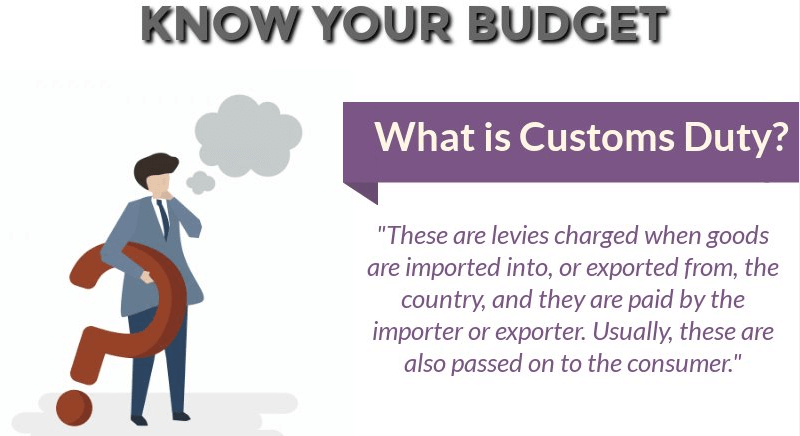
When importing or exporting goods from another country, a tax is levied on those goods, known as customs duty. This monetary obligation must be fulfilled, as failure to do so would render the imports and exports unlawful.
These duties are computed based on the quantity of products involved.
When companies engage in importing products from China, they are subject to the payment of the following taxes:
Value Added Tax (VAT)
Consumption Tax
Customs Duty
Which Type Of Import Tax Do You Need To Pay For Imports From China To US?
The import tax is charged according to the product value. I've witnessed China's importation taxes change drastically over my freight forwarding career. Due to the high trading tensions between China and the USA, the tariff has gone up to 25% extra on imported Chinese products.
The list of import tax on some products is given below:
Tablet PC: 0%
Solar Panels: 0%
Electric Bikes: 0%
Furniture Products: 1%
LED Bulb Lights: 3.9%
Wrist Watches: 9.8% + US$1.53 per unit
Clothing: 16.5%
Peanuts: 131.8%
These are the import tax rates of the most imported goods from China.
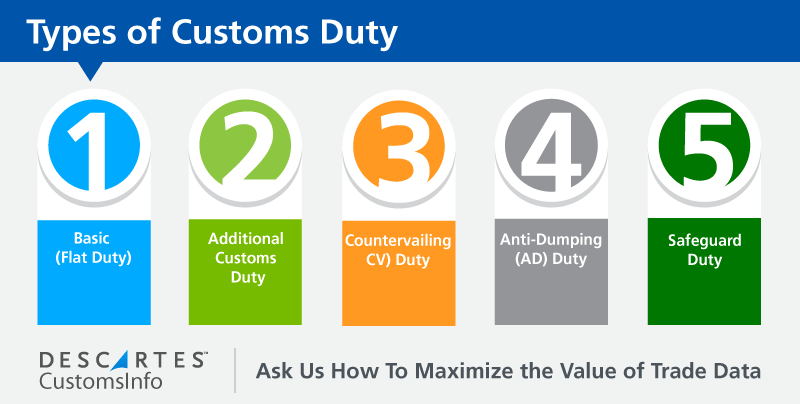
Determining the Customs Duty Amount:
The customs duty you pay when importing goods from China to the US is contingent on the product's value. In accordance with US customs policy, products valued at or under $800 are exempt from customs duty.
This implies that no tax is required for smaller products valued up to $800. However, products exceeding $800 are subject to mandatory taxation. The tax amount is determined by the product category according to its H.S. code.
You can access the tax rates for any category by visiting the official website of US customs.
Customs duty is also influenced by the quantity of imported products, which are classified into two categories:
Formal Entry:
If the imported product's value from China is over $2500, it must be covered by a surety bond to obtain customs clearance. Such imports are classified as Formal Entries, denoting their commercial nature due to the high product value. If you've already submitted Customs entry bonds to the Customs and Border Protection (CBP), you can receive your shipment before paying duties, taxes, and fees.
Informal Entry:
Products valued at less than $2,500 are referred to as Informal Entries. These products do not require coverage by a surety or entry bond. Most products valued under $2,500 are typically classified as informal entries, but there are exceptions. It's important to confirm the conditions for your products upon receiving them from the port. For instance, most textile imports are informal entries, unless their value exceeds $250, in which case they become Formal Entries. According to Section 321, duty-free transportation of goods is permitted if their value is up to $200. This applies only to a specific type of informal entry. For instance, if you purchase a pair of shoes from Mexico for $150 and personally pick it up across the border, no customs duty is applied to the shoes.
Calculating US Import Duty from China:
To calculate the US import duty from China, determine the H.S. code of the products being imported. Each HS code carries a specific duty rate, and you are required to pay accordingly. Here are the steps we at Chiyuan follow to simplify this process:
Step 1: Understanding H.S. Code and Checking It
What is H.S. Code?
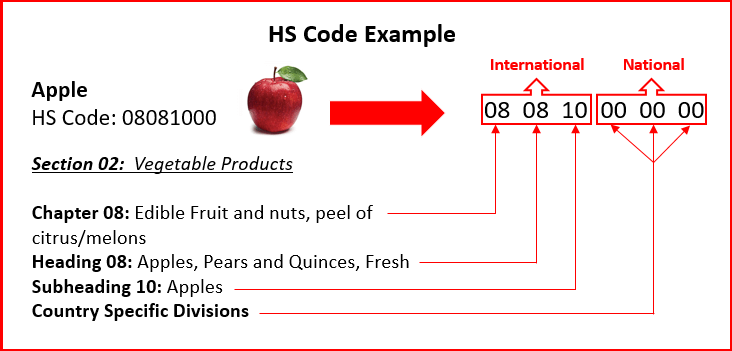
H.S. code, short for Harmonized System Code, is a versatile global product nomenclature devised by the World Customs Organization (WCO). It helps classify imported products into categories.
How to Check H.S. Code?
To find the H.S. code of a product, visit the official HTS website and input your query in the search box. The results will provide you with the necessary code.
The H.S. code comprises the following structure:
Six-digit identification code
5000 commodity groups
99 chapters
Each chapter consists of 21 sections
Arranged logically
Uniform classification rules
Step 2:
How To Check Import Duty Rate Online:
There are various websites available that can be used to check the Import duty rate online. But there is an official website of HTS, where you can use the name of the product to find the H.S. Code of the product and to check the import duty rate.
Step 3:
How To Calculate The Import Tax:
If you import something from China to USA and want to calculate the import tax, you need to check the H.S. code or HTS or commodity code (these are all the same) of that particular product.
Then apply the import duty rate for that code. This tax will apply to that item without shipping.
Step 4:
If Your Product Is Hit With Another 25% Duty Rate:
If your imported product is hit with another 25% duty rate, then the prices of American products will go high. Those importers who are affected with this tariff have three options:
Absorb the extra expenditures
Increase the costs for consumers
Move the production to another country
How To Pay Import Tax?
If your custom duty is pending, then you must clear your dues before the conclusion of your CBP processing.
Here are the different ways we've paid import taxes for our clients' packages:
Pay in U.S currency
If the amount of duty does not exceed by $50, then you can pay with a traveler's check, government check, or money order.
You can pay with a personal check with the exact amount that can be withdrawn from the U.S bank. Moreover, you must provide identification such as U.S driving license, Passport, or id. If you attach the endorsement from another person, CBP will not accept that check.

Customs Clearance Procedures in the U.S.:
Upon the arrival of your shipments, it's imperative to be present with the necessary documents. Promptly submit these documents to the U.S. Customs and Border Protection to facilitate the clearance of your cargo within 15 calendar days of shipment.
Failure to adhere to this timeline will result in the transfer of your products to a warehouse. Incurring additional storage charges becomes inevitable.
You have a grace period of six months following the shipment's arrival to settle your dues. Beyond this timeframe, the products may be auctioned.
Clearing Customs charges can be a complex process. Below are the essential documents required for clearing your dues. Drawing from experience, preparing these documents sooner rather than later is recommended.
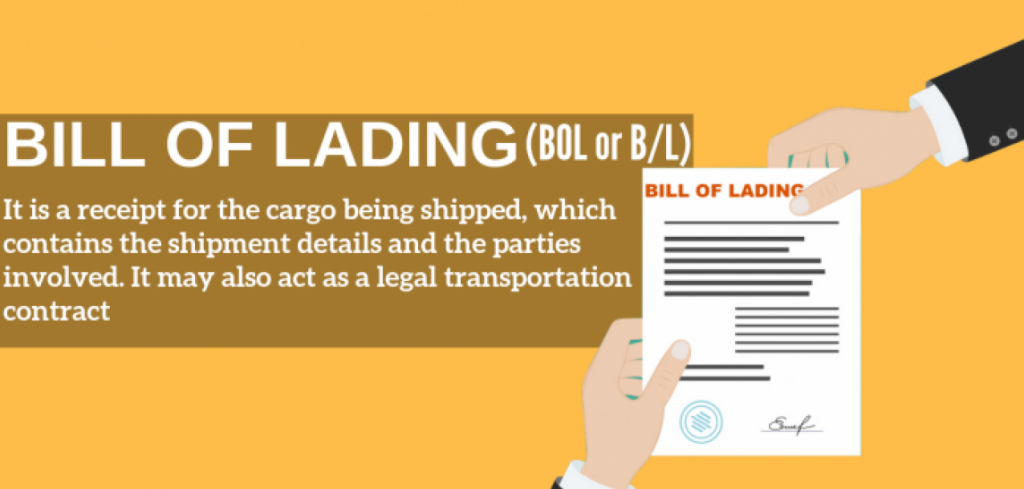
Bill of Lading: This document is crucial to verify that the exporter has received payment and the importer has obtained the products. It serves as the cargo receipt for the shipment, issued by the carrier.
Commercial Invoice: The Commercial Invoice provides a comprehensive list containing shipment and product details. Customs and Border Protection (CBP) determine Customs charges based on the information contained in this document.
The documentation encompasses the subsequent details:
Product Description
Quantity
Country of Origin
Destination Address in the U.S.
Tariff Classification
Name and Address of the Company Selling the Products
Value of Goods in Both Currencies (Importer and Exporter's Currencies)
Packing List:
This comprehensive list encompasses both the invoice details and packaging specifications of the product. Customs authorities employ this list to authenticate the shipment.
Arrival Notice:
Issued by the cargo carrier, this document serves to notify you of your shipment's arrival.
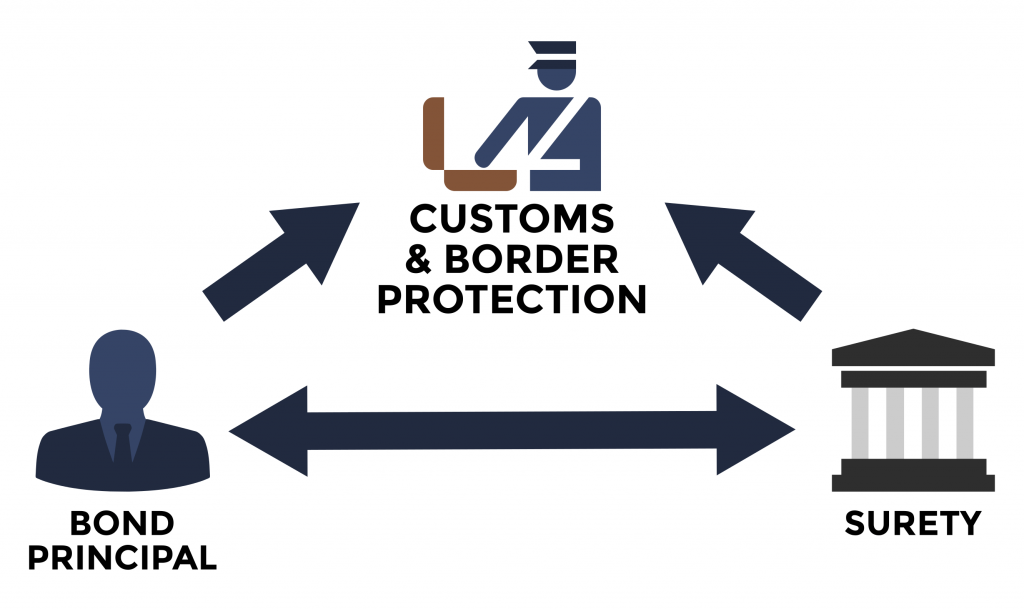
Surety Bond:
To ensure the settlement of payments such as duties, taxes, or import fees, the importer must furnish a bond to the customs authorities. This bond can be obtained from a U.S.-based surety company or through hiring a customs broker.
There exist two types of customs bonds:
Annual Bond:
As the name suggests, this bond is widely used and suitable, covering all imports for a year. An annual bond of $50,000.00 USD typically costs between $400.00 to $450.00. If you wish to expand a smaller bond, you can opt for a larger one as well.
Single-Entry Bond:
If you are an infrequent importer, dealing with a minimal number of shipments annually, around 5 to 10, a single-entry bond proves convenient. It entails a cost of just 5% of the shipment value.
Import Precautions for Goods from China:
Before proceeding with the import of any product from China, it's crucial to be mindful of certain precautions.
Wooden Packaging and Fumigation Certificate: For heavier products, customs authorities often require wooden packaging along with a fumigation certificate.
Non-Wood Packaging: If your shipment does not include wooden packaging, simply indicate "Non-Wood Packaging" on your purchase documents.
Container Weight Recommendation: It is advisable to adhere to a recommended weight of 38,000 pounds per single cargo container. Exceeding this weight limit may lead to securing the cargo with a designated triangle or utilizing four-corner car frames.
"Made in China" Label: Enforcing a "Made in China" label on the product is essential. Absence of this label could prompt customs authorities to request its placement.
Evaluation by FDA for Food Products or Supplements: Shipment of food products or supplements will undergo assessment by the FDA before clearance. Additionally, customs agencies incorporate FDA service fees, necessitating preparation for these charges.

AMS IC and VSSL ARRIVAL Process:
On the day of shipment's arrival at the designated port, VSSL ARRIVAL initiates communication with customs. This calculation solely considers the final arrival port, excluding any prior ports of arrival.
AMS, an automated system, displays the I.C. (Inward Cargo) and indicates customs clearance. It provides a comprehensive overview of all customs clearance outcomes even before the shipment's actual arrival.
Customs Fines:
Timely payment of customs duties is imperative to avoid fines. The specific duties vary based on the product type and its country of origin. It is essential to retrieve your shipment within 15 working days. Failure to respond within this period results in the transfer of your shipment to a supervision warehouse for inspection.
Customs clearance becomes a prerequisite to release the shipment from the supervision status. Subsequently, if your cargo enters the warehouse for storage, the following fees will apply to your delivery:
Demurrage Fee
Cabinet Fee and Returning Cabinet Fee
Warehouse Decommissioning Fee
Warehouse Loading Fee
Warehouse Storage Fee
Container Costs
You have a six-month window to settle all dues, secure customs clearance, and obtain the LIEN notice to collect your shipment.
Failing to meet this timeline will prompt customs authorities to assume custody of the goods, leading to an auction to offset storage expenses.
Free Storage Period at Docks:
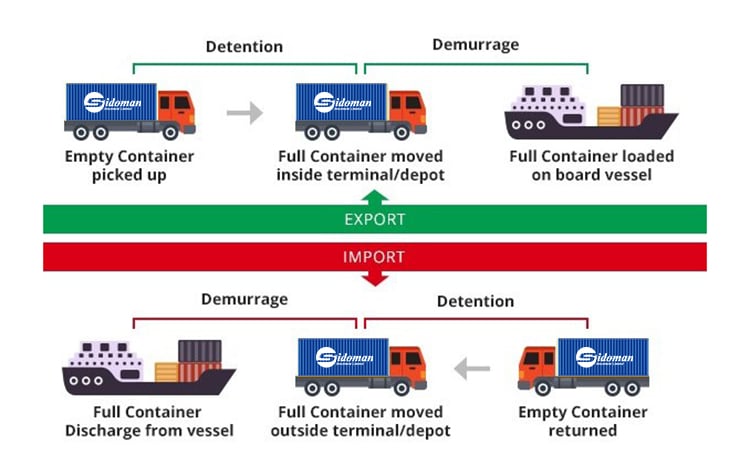
The duration of the free storage period at the docks is determined by the terms of the contract. It's essential to review your specific agreement to ascertain the allotted free storage time on the docks.
Typically, a grace period of 4 to 5 days is granted for free storage. Once this period lapses, daily charges will apply based on the specified fee structure until the cargo is retrieved from the docks.
Demurrage Fees:
Demurrage fees typically range from $75 to $150 per container for each day. However, this fee structure is applicable within a five-day timeframe. Beyond this period, the charge escalates with each passing day until the cargo is removed from the docks.
In cases where the shipping company bears the responsibility as per the agreement, the terminal will collect the storage fee from them. Conversely, if the cargo carrier declines the financial responsibility, the terminal will levy the charges on the party responsible for extraction.
The Operational Procedure for U.S. Agent-Imported Goods:
Upon receiving the agent's file (which should include: 1+ Bill of Lading, Master Bill of Lading Copy, and Delivery/Cargo Note), you must input the details.
The U.S. agent should request the arrival of goods from SSL or CO-LO a week before the shipment.
To facilitate this, the port's Operation Department (O.P.) needs to include the shipment date on the Delivery/Cargo Notice. This allows the U.S. agent to track the arrival date effectively.
Once you receive the arrival notification from SSL or CO-LO, input the details into the system and forward them to the customs broker.
Upon obtaining the original Bill of Lading receipt from the customs broker, promptly send it to SSL or CO-LO via courier.
Once SSL receives the applicable fees and freight bills, they will enter the details into the system to initiate the product's release.
If the goods are transferred to the CO-LOADER, the process is repeated, and the details are submitted again to SSL. As a result, delivery from the CO-LOADER may take longer than a day.
After sending the FAX to the Carrier, continue to track the shipment's route, even during inland transportation.
Upon completion of the delivery, send the delivery order to the trucking company and maintain contact with the destination warehouse until confirmation.
During delivery, the SOC tracking box is essential for sign-in confirmation. Subsequently, it is returned to the designated yard.
How to Avoid or Reduce Import Tax from China:
Every importer aims to save money by minimizing or avoiding import taxes from China. This objective is irrespective of the quantity being purchased. Whether it's a substantial order or a smaller one, the goal is to find ways to save.
For some smaller importers, import taxes can present a significant financial burden that they are not equipped to handle. Therefore, they seek strategies to eliminate or reduce these costs. Below are approaches to consider:
3 Methods to Reduce or Eliminate Import Duties:
While these methods come with risks and challenges, some importers are willing to explore them in their quest to save money. Here are some tips to potentially reduce import duties on your shipments:
Personal Exemption: The CBP offers a personal exemption that allows importers to bring back goods to the USA without paying taxes or duties, up to a certain value. This exemption is often around $800 and may have limitations on specific items like cigarettes, alcohol, and tobacco products.
Samples: Goods designated as samples, which are not intended for commercial resale, might be eligible for duty-free exemption. By labeling the invoice as "Sample for No Commercial Value," you could potentially avoid customs duties.
Dropshipping: In dropshipping, a retailer transfers customer orders and shipment details to manufacturers or suppliers instead of maintaining inventory. This method could save you from import duties, although income tax and sales tax may still apply.
Remember that while these methods might provide short-term savings, they could also come with legal and ethical considerations. Always ensure compliance with relevant laws and regulations.
3 Strategies to Reduce Import Duty (Important Note):
We strongly advise against utilizing these strategies due to the substantial risks and potential legal consequences associated with them. However, some individuals, driven by the goal of cutting costs, may consider these methods despite their drawbacks.
· Understating Product Value on the Commercial Invoice: This method involves lowering the declared value of your goods on the commercial invoice to reduce import duty. Some suppliers may agree to help with this approach, showing a lower value to customs.
However, deliberately misrepresenting the product value can lead to serious repercussions. If the U.S. customs authorities discover that the declared value doesn't match the actual value, they may impose hefty fines or take even more severe actions. Your goods might be returned to the port of entry or even destroyed.
· Splitting Shipments into Multiple Batches via International Mail: If your imported goods' value exceeds $2,500, Formal Entry is required. To circumvent this, some importers request their suppliers to send the cargo via the International Postal System (IPS) in multiple consignments, each under $800.
While this might seem like a way to utilize personal exemption limits, keep in mind that personal exemptions are typically granted only when accompanying goods. If U.S. customs catches wind of your attempt to evade customs duty, exemptions may be denied. Additionally, this method can lead to high shipping costs.
· Utilizing Intermediate Trade or Entrepot Trade: The recent implementation of an additional 25% tariff on imports from China by the U.S. government has placed a burden on importers' budgets.
Some importers have found a workaround by transiting their goods through a third country before exporting to the USA, listing that third country as the supplier. This tactic helps avoid the 25% tariff. However, this approach comes with substantial risks and complexities.
Goods can be misplaced during transit, and the associated costs can increase significantly.
How Chiyuan Can Assist Your Imports from China: Chiyuan, based in China, offers comprehensive services beyond manufacturing. They specialize in helping you find the desired products in China and provide various import-related services:
FBA Sourcing Services
FBA Prep Services
FBA Logistics
FBA Sourcing Services:
FBA Prep Services: For those who are already importing products from China, Chiyuan streamlines the process with its FBA Prep Services, which include:
Product Inspection
Product Labeling
Packaging Options
Product Inspection:
Chiyuan boasts a dedicated team that meticulously inspects your goods. If your products suffer damage, they facilitate quick replacements at no extra postal cost.
While similar processes can be done in the USA, the convenience and cost-effectiveness Chiyuan offers make it an attractive choice. Inspected items are sent to FBA warehouses in the USA.
Product Labeling:
Chiyuan also provides labeling services at affordable rates. Simply provide the FBA-approved labels, and they'll efficiently complete the labeling process within the stipulated timeframe. After labeling, products are packed and dispatched to FBA warehouses for delivery.
Packaging Options:
Chiyuan extends packaging solutions to safeguard your goods during transit. From protective measures like EVA foam to customized box designs, their offerings ensure your cargo remains unharmed.

FBA Logistics:
LeeLineSourcing offers importers its Logistic Services, providing assistance with shipping, document procurement such as destination documents, certifications, and customs clearance regulations.
They cater to your preferred delivery method, offering FBA Logistics Air-Delivery for swift shipping and FBA Logistics Ocean-Delivery for slower shipments.
Charges vary based on your chosen delivery service. Engaging a LeeLineSourcing agent for your shipment order simplifies the process, as they handle loading, Chinese Customs clearance, shipping, U.S. Customs clearance, unloading, and delivery to Amazon warehouses.
Chiyuan stands out with its efficient and cost-effective services. If you intend to import reusable bags from China, Chiyuan is the ideal partner to collaborate with.
Conclusion:
After reviewing the provided information, you might find the import process to be intricate and complex. However, partnering with an experienced and adept manufacturer can streamline shipping without complications. You can also consider hiring a local customs broker to assist with document arrangement.
Our team comprises skilled professionals well-versed in import procedures, offering services at a fee. Engaging a CBP-licensed customs broker can be immensely advantageous when importing goods from China, aiding in cost reduction. It's important to ensure proper declaration of all products with CBP to avoid issues with customs authorities.
When importing from China to the US, taxation is a key consideration for smooth shipment. Timely submission of documentation received from the seller to customs authorities is crucial. Prompt submission can prevent fines, penalties, and delays.
Timely payment of import duties and taxes is essential to avoid penalties. Consider hiring a customs broker or sourcing agent to facilitate a seamless and expedited process.
##This article is authored by Luke. For further discussions, you can reach out to him on WhatsApp at +8617398099207.##


